Contrasts
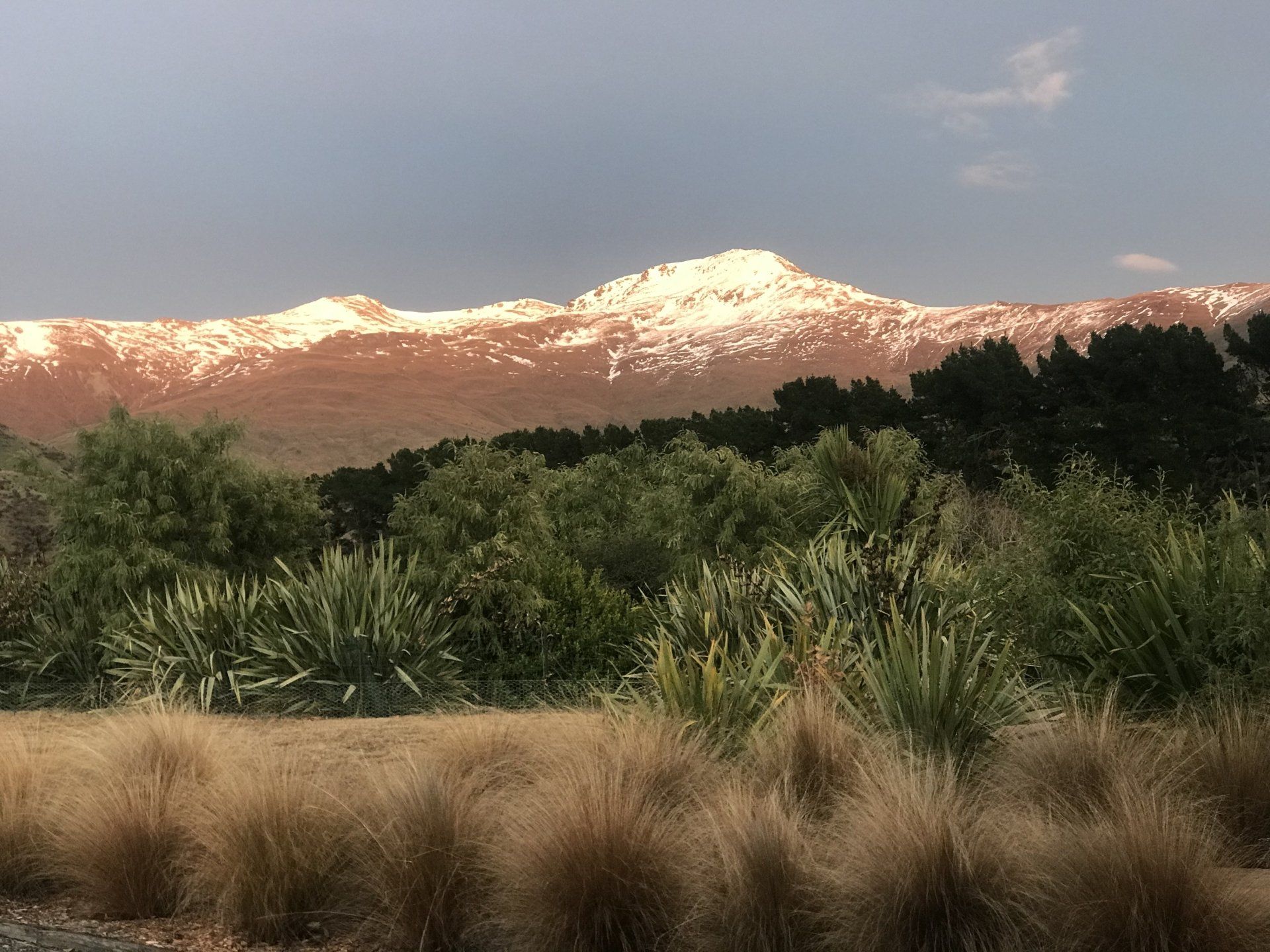
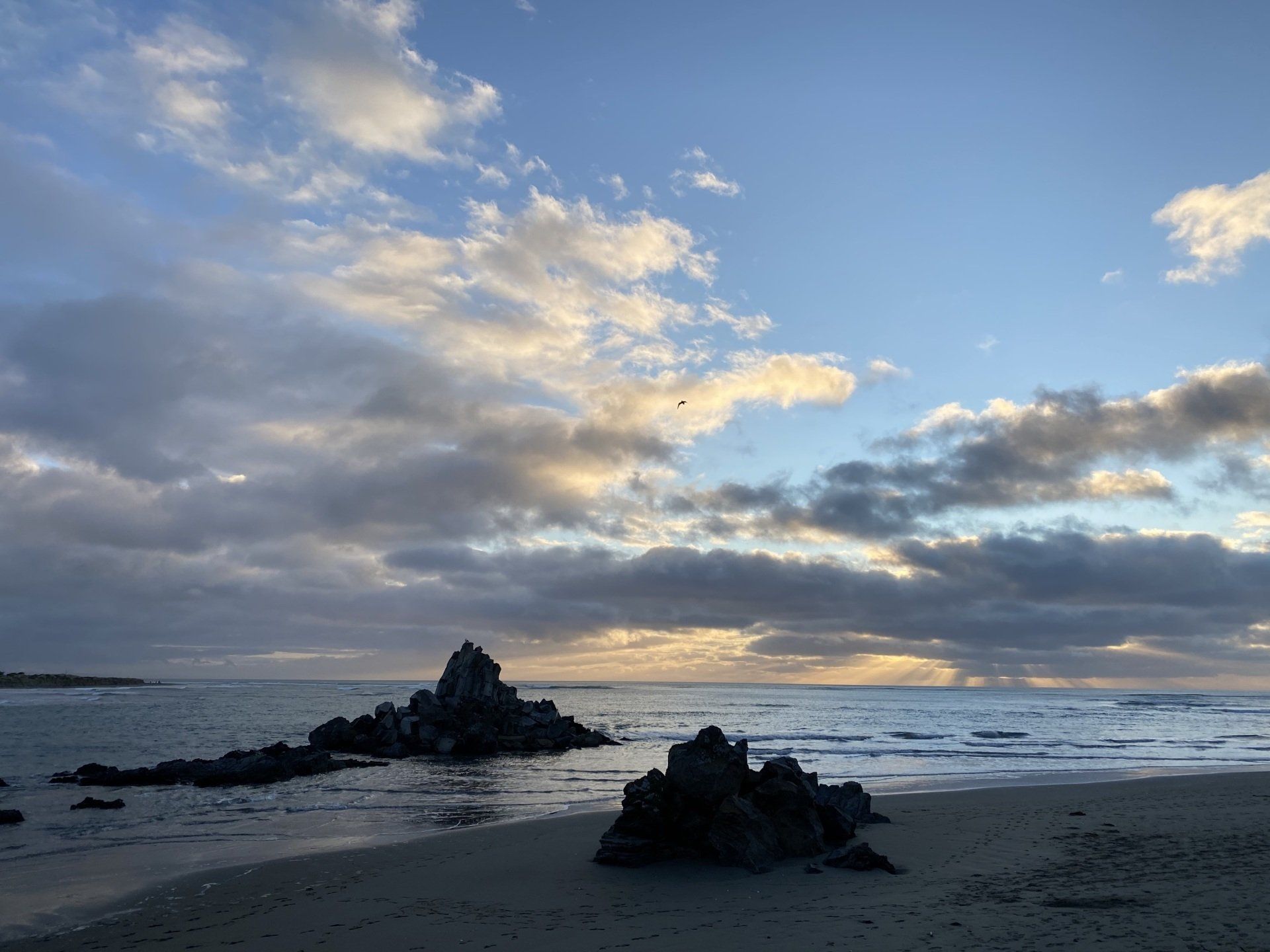
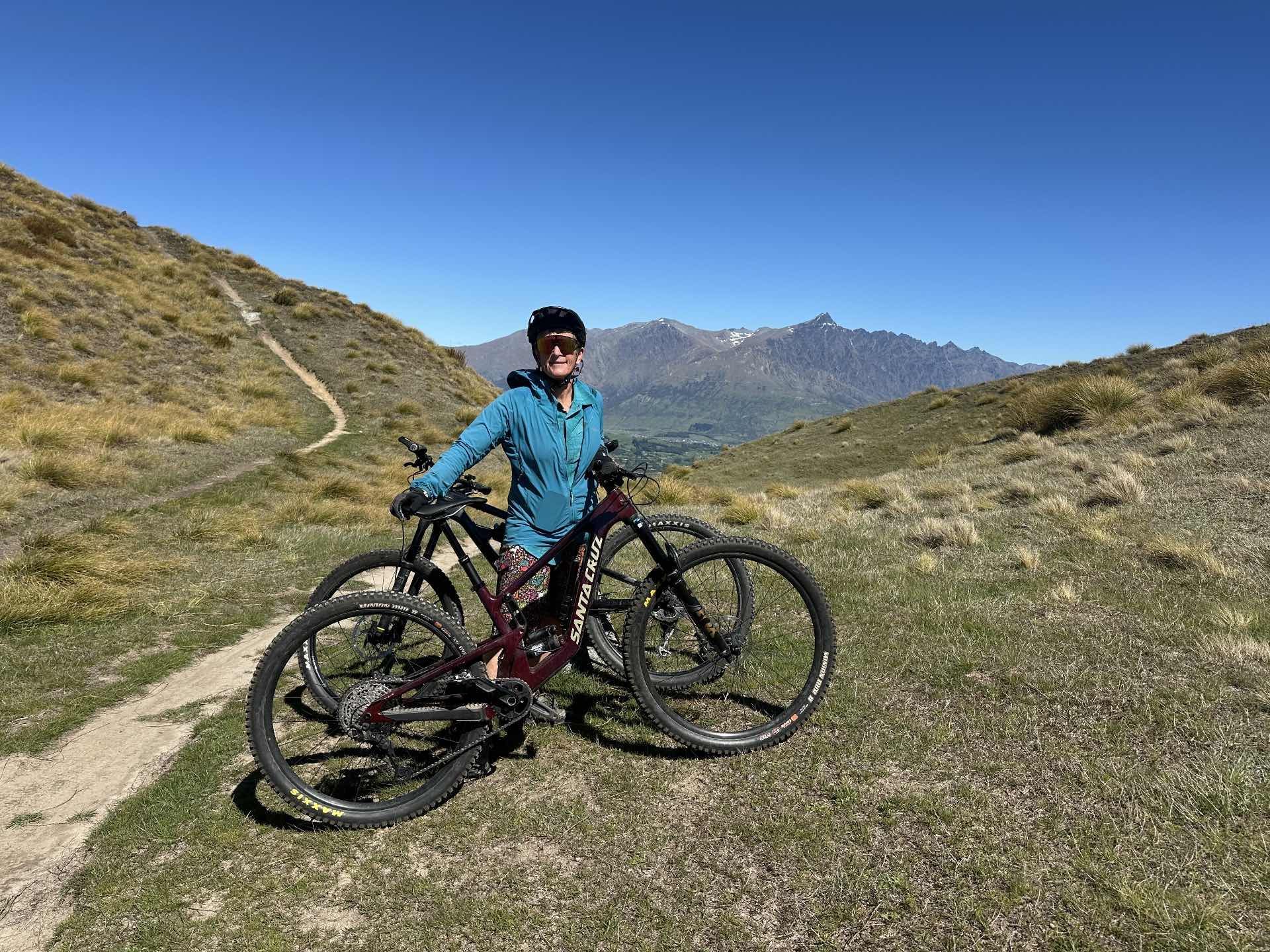
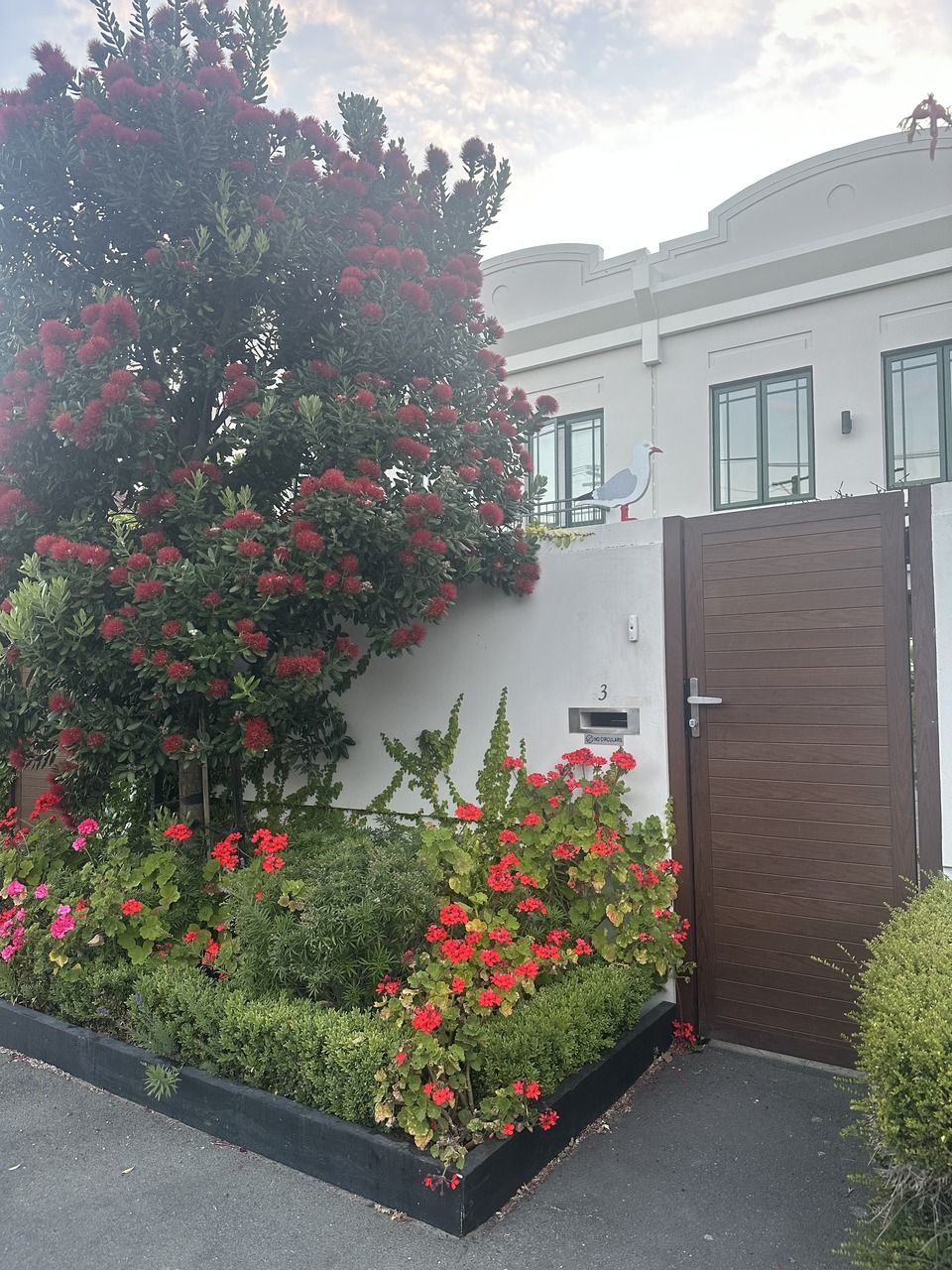
Sitting in a café in Sumner, Christchurch, reminds me how much I like contrasts. Sumner and Gibbston are quite different in a considerable number of ways. In Gibbston at present there is snow on the mountains (if a rather thin cover for mid winter) while in Christchurch yesterday the sun and warm air felt like spring as I cycled over Evans Pass to Lyttelton. In Gibbston, Chris is walking between the flaxes across to the chickens to check their food container is full and experience their excitement as he gives them leftover sausages and lettuce. In Sumner I have cycled 5 minutes to choose which café I will go to, and texted a friend to see if they want to come and catch up over a coffee. I can also sit and watch the multiplicity and diversity of people around me (OK not exceptionally diverse because I am in a wealthy, white-dominated part of Christchurch) and eavesdrop on their varied conversations without having to participate. In Gibbston I can watch the sun track through the sky, observe how the plants have grown, and welcome family, friends, and about-to-be friends who come to visit with us (while being extremely thankful that we currently live in a COVID-free society). In Sumner I can hear the ocean and go watch the waves rolling onto the sand. In Gibbston I can watch the light change on the mountains through the day.
There is a risk in having two places in which one spends time – it is easy to want to be in the place in which you are not. It is easy to feel cramped when in the city and lonely when in the country. It is easy to mentally feature the overcast, damp days in Christchurch and the strong westerly winds in Gibbston. It is easy to feel that a lifestyle block offers up a never ending set of chores and, when the visitors say ‘I could live somewhere like this’, internally wonder whether they have any idea how much work it takes. I find a specific mental shift is required to, rather, deliberately enjoy the place I am in, in contrast to the place where I am not. I enjoy the warmth when in a Christchurch winter and the cold when in Gibbston. That sounds very obvious when written, but I haven’t found it quite so obvious to manage in practice.
For me, the biggest loss I currently feel in relation to COVID-19 is the lack of opportunity to experience massive contrasts in place and people, . Friends have asked how I am going to cope with being ‘confined’ to New Zealand, given the amount of travelling that Chris and I have done over the years. In fact, I have left New Zealand (or lived overseas) every year since I was 21 and took my first international trip to Canada. My response to their question is that I am going to cope through not desiring something that I know I can’t have. This is the truth, I know I can’t go overseas so I am not thinking about going overseas. I am certainly not going to start planning the possible trips we might make once COVID-19 is ‘over’ (or vaccine controlled, or we decide that we have to live with it). That would be setting myself up for disappointment and it is hardly like I need to do years of planning to organise a trip, a week or two is enough. I take no pleasure whatsoever in imagining myself doing something that is simply not available to me.
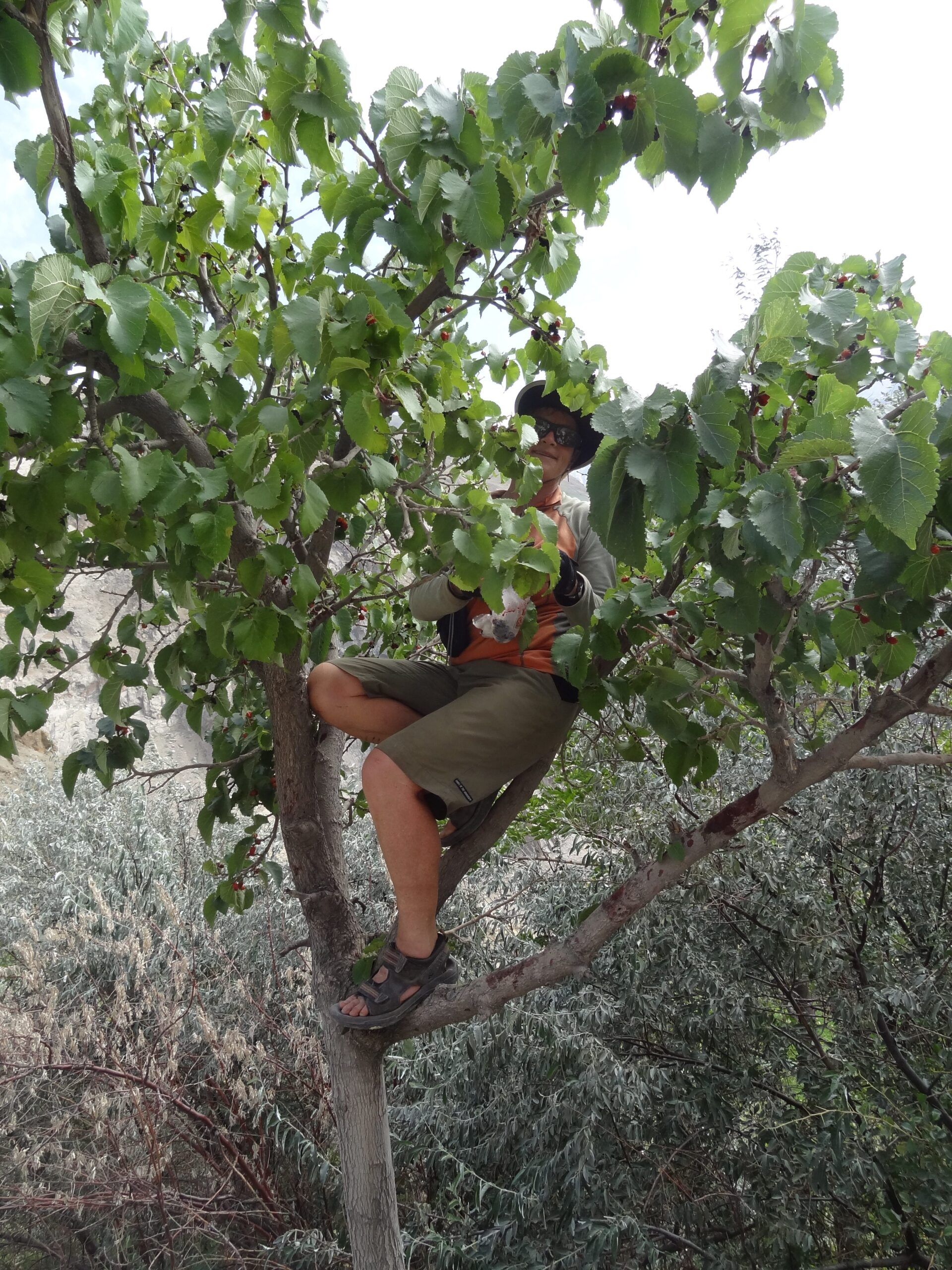
However, a central part of me misses the potential to go places where I don’t speak the language and have no linguistic basis even to guess at the words. I miss the opportunity to learn a new alphabet so that I can try to decipher the words on signs. I miss the opportunity to try swans necks and water snails (Vietnam), or frogs legs in porridge (Singapore), or sheep head soup (Kyrgystan), or to eat fresh mulberries from an unexpected tree (Tajikistan) or excellent bread baked fresh every morning (Switzerland). 2020 New Zealand is orders of magnitude more diverse than the country I grew up in in the 1970s, but it remains orders of magnitude less diverse than the degrees of diversity that are out there in the world.
I miss the way travel demonstrates that, however different humans may seem, there is so much commonality in the lived human experience that we have an in-depth basis for communication beyond language. I miss the constant reminders when cycle touring or hitching, that most people are inherently kind and want to help you. When we were cycling in Xinjiang province, northwest China, we were debating which way to go. The couple running the restaurant (in which we had painfully ordered food through pointing at other people’s plates, took pity on our obvious dilemma). So they rang their daughter who lived on the east coast of China and, critically, spoke English. We then had a conversation with the couple, moderated through their daughter – we would ask her a question, she would ask her parents and they would reply to her, then she would explain to us. In the same town, when we sat at an intersection wondering what to do, a child ran out of a mud-brick house and gave us watermelon. We will never know anything more about these people, never see them again, but their innate instinct was to help us. That’s an inbuilt human quality, along with capacity to communicate, that I believe continually springs from the core of most, but is squashed by circumstance. In our ‘normal’ lives where we take linguistic understanding for granted and the media communicates the existence of poor social behaviours at every opportunity, it is very easy to assume the worst of people rather than the best. Such assumptions are to the detriment of us all.
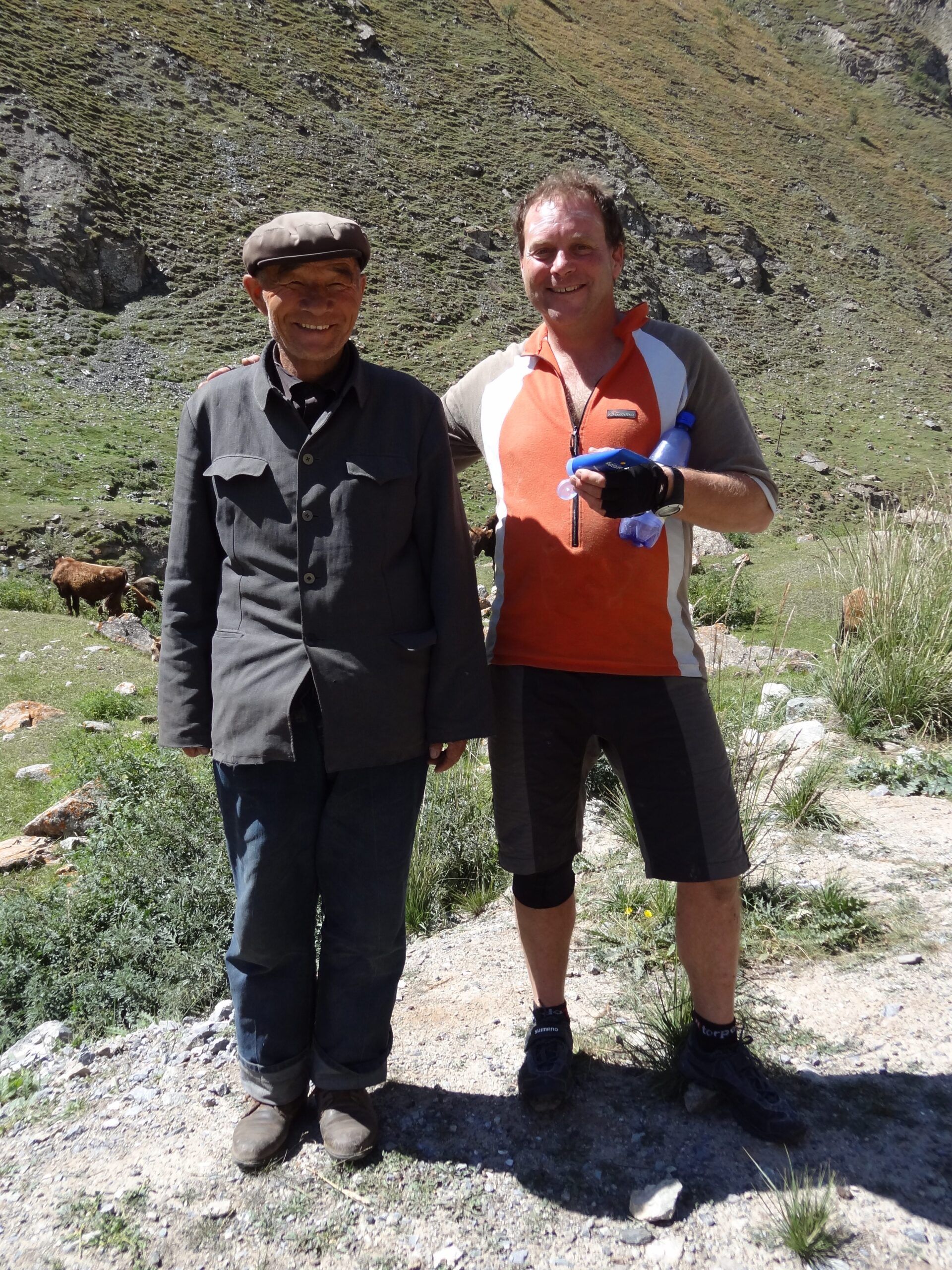
Given our current COVID-constraints. I will change the scale at which I look for contrast, seeking to understand and enjoy the differences that exist within our own country. I will enjoy the difference when flying between Queenstown and Auckland, when the degree of landscape change is like flying from Switzerland to a Pacific Island. I know I need to more properly appreciate the differences between Māori and pakeha culture and knowledge systems, it’s something I have been trying to grow in my work life. If we don’t ever get to travel overseas again in the same way, I will remember with gratitude the opportunities that I have already had which have enriched my life and thinking. To quote two of my favourite writers:
“ Oh brave new world. That has such people in ‘t!”

Get new content delivered
directly to your inbox.
Latest Posts