Goodbye Loki
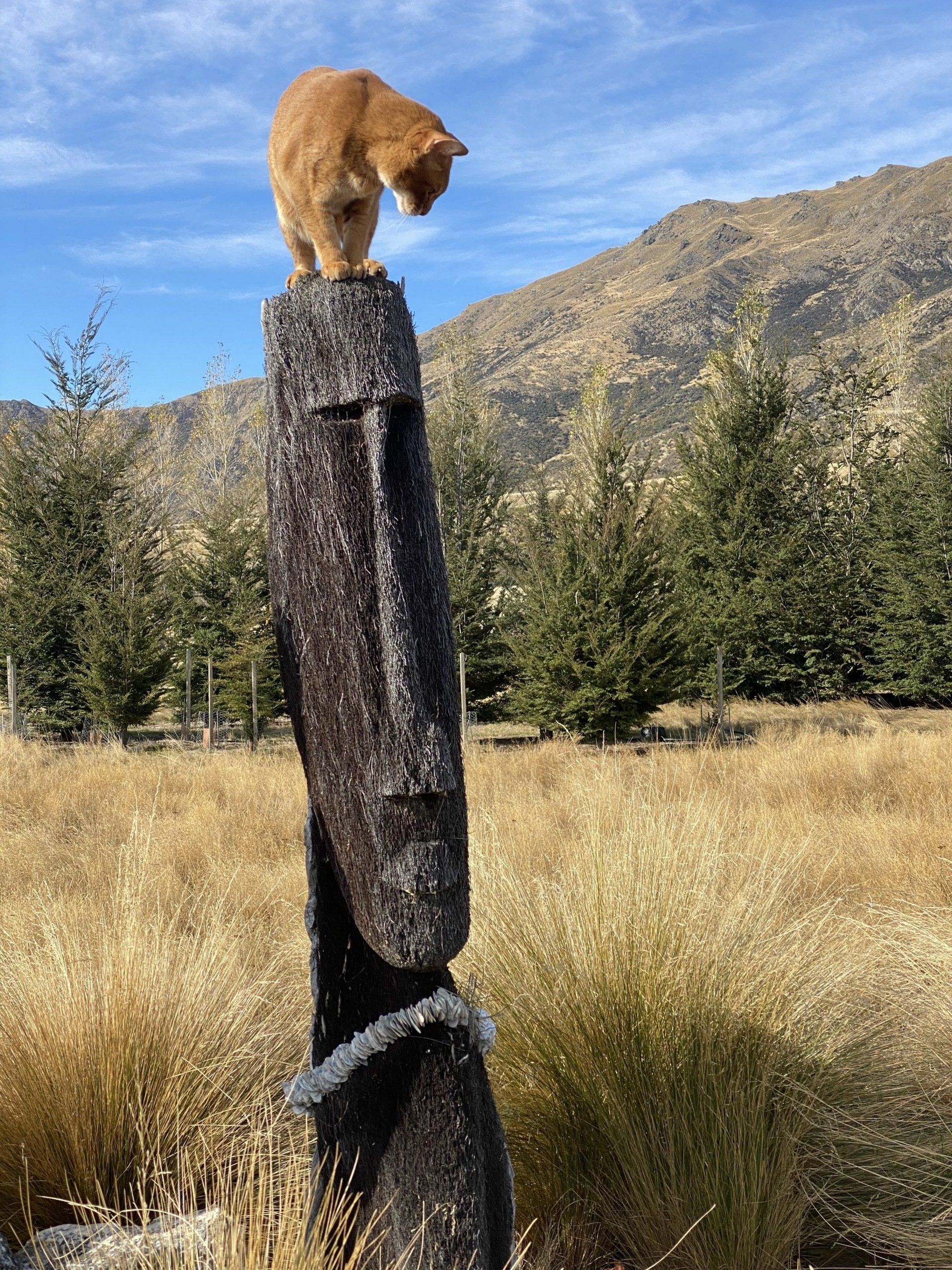

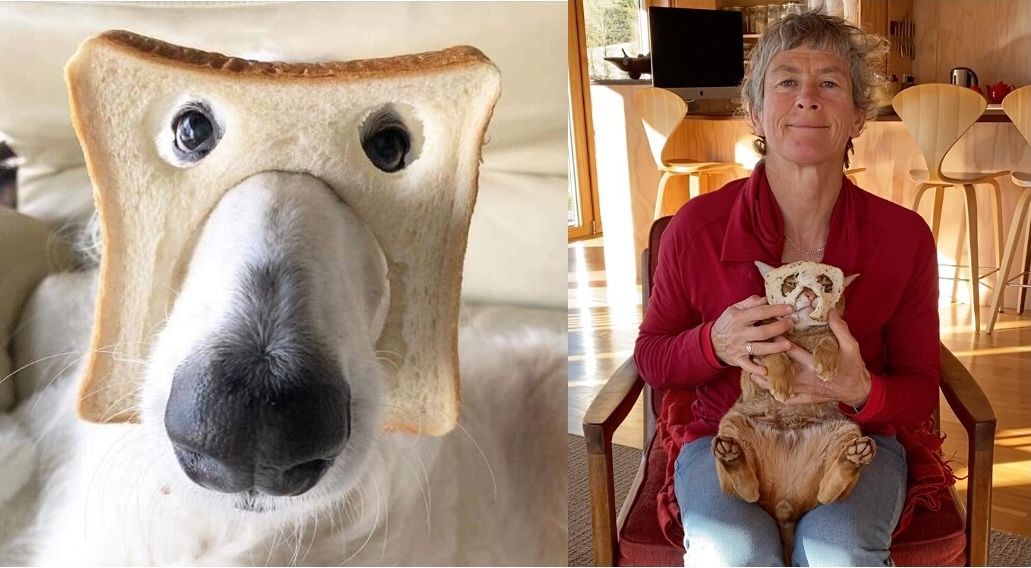
We said goodbye to Loki this week and lowered him into his final resting place in our garden. The skink and rabbit populations may well be happier as a result, but we and they have a difference of opinion. Without a doubt Loki helped us through the COVID-19 lockdown, as have many peoples’ pets. It is interesting how many people have acquired more pets before, during or following lockdown; in hard times it is easy to see how much pets add to our lives.
We sent daughter Sarah pictures of Loki every day during lockdown, it helped both us and her. Sarah is a student in Cambridge, United Kingdom, so having her own cat is not an option at present as pets are a long term commitment (her lockdown was several weeks longer than ours too). Occasionally Sarah harbours visions of cat napping. We envisaged one scenario (generated early in lockdown when even stroking the pets of others was dangerous territory) in which she would lure a cat into a cardboard box using cat food, and then scurry off with it. Luckily, Sarah has managed so far with a mix of WhatsApped cat images combined with encounters with random local cats and has kept her cat-thieving instincts at bay.
There are many articles about the importance of pets to people and families and the roles that pets play. Human attachment to domestic animals is millenia old, stemming from our complex relationships with the animals with whom we share our lives. Animals can provide sustenance, clothing, comfort and emotional support – the emotional ties between us and animals are undoubted. This makes it somewhat odd that, in the scientific world, there is considerable debate about whether and which animals experience emotions. Chris’s sister Ximena conducts research in this area, of late on kea calls which parallel laughter in humans. Ximena faces perpetual challenges to her research because there are a cadre of scientists that simply refuse to believe that animals experience emotions.
In writing on this topic I headed off down a rabbit hole regarding the definition of emotions…a simple definition is that emotions are a strong feeling deriving from one’s circumstances, mood, or relationships with others. It becomes challenging to define emotions experienced by animals because animals do not have the linguistic skills to tell us what emotions they are feeling. But does that mean we would assume a human without language therefore didn’t have emotions?
The reason that pet owners are confident that their pets have emotions is because of the recognisable behaviours that animals exhibit that mirror many human emotions, including anger, fear, disgust and joy. Some would say that ‘recognition’ of these behaviours in animals is anthropomorphic. To me, this seems like saying that recognition of an emotion in another human being is simply unfounded imagining that another human is like oneself. If another being expresses things in a similar way, isn’t it likely that they are having a similar experience to oneself?
Sharing emotions between humans creates bonds, and shared emotions are experienced, as much as they are verbal. Sharing emotions with pets creates bonds in just the same way, and such intra-species bonds help remind us that we aren’t the only sentient or important beings on the planet. And who is to say how deep a bond between a human and an animal can go. Humans categorise relationships and imply that a human-human relationship is superior to a human-animal relationship, but what is our evidence for this? In the same way we categorise human bonds, and put the bonds of friendship in a lower status category than those of a partner; our summation of the importance of relationships to individuals and wellbeing can just be plain wrong. Every relationship has its own importance to the participants, which varies with time and place and situation.
The deemphasising of human-animal bonds means that one doesn’t easily take a day off when one has to choose that it is time for a loved cat to die. I could have rung my client and said, I am very sorry, but I can’t do the planned workshop for which I have flown to Auckland because my cat is now dead. Would my client be sympathetic, or would they imply that the show should still go on. And if they were sympathetic to my face, would the comments in the background reduce the likelihood of my working with them again, because I didn’t have the fortitude to withstand the death of a pet. I won’t know, because I didn’t try.
The deemphasising of human-animal bonds also means that humans often feel free to treat animals in appalling ways, on the basis that animals do not feel emotions. The notion of animal emotions is pretty inconvenient for much of primary production. While concepts of animal welfare are rising in importance in the wealthy world, can one actually afford to ponder the horrors of animals being taken to the slaughterhouse if one is struggling to feed one’s children? We go down another rabbit hole of complexity – is it OK to hurt an animal if it is a fair fight? If the animal is hurting us? Without our armour of human superiority, the foundations of many of our concepts about relationships between humans and animals start to become shaky.
Notwithstanding the philosophical interest of human-animal relationships, we will plain miss Loki. He had a character that he expressed with his body and with his voice. He was ever forgiving and trusting.
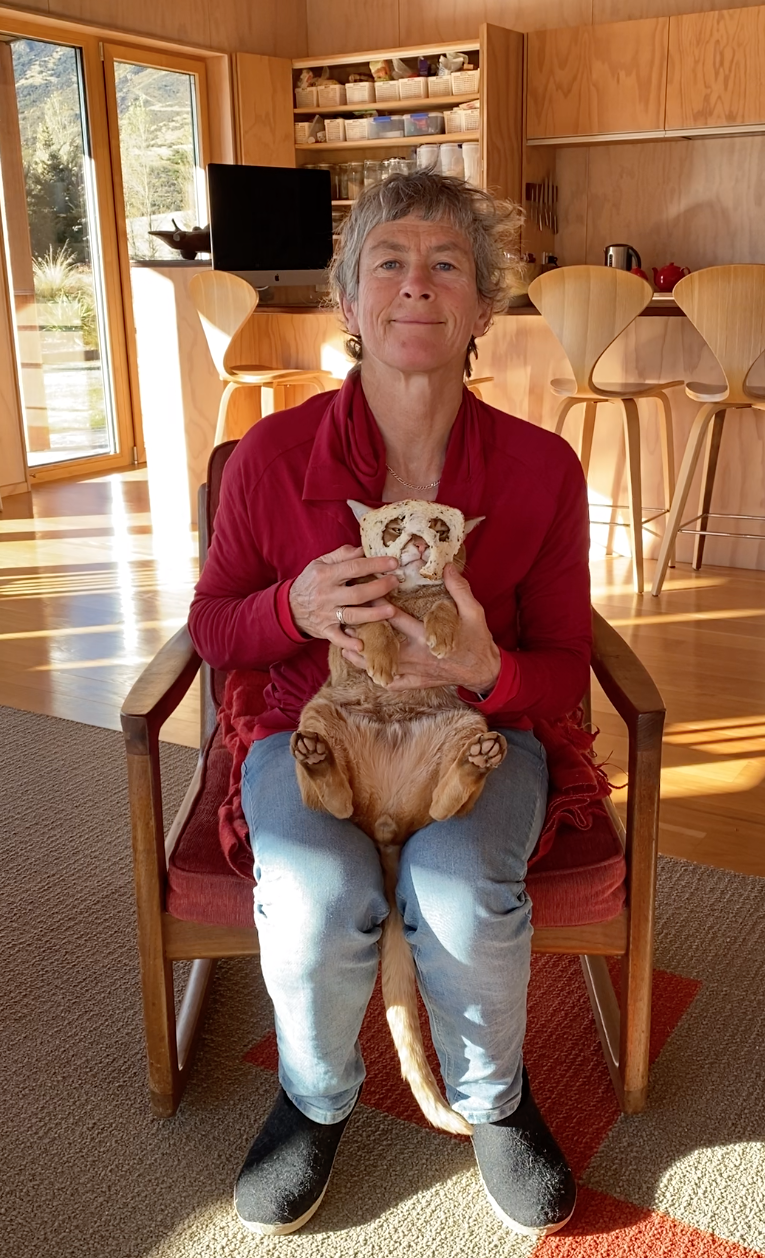
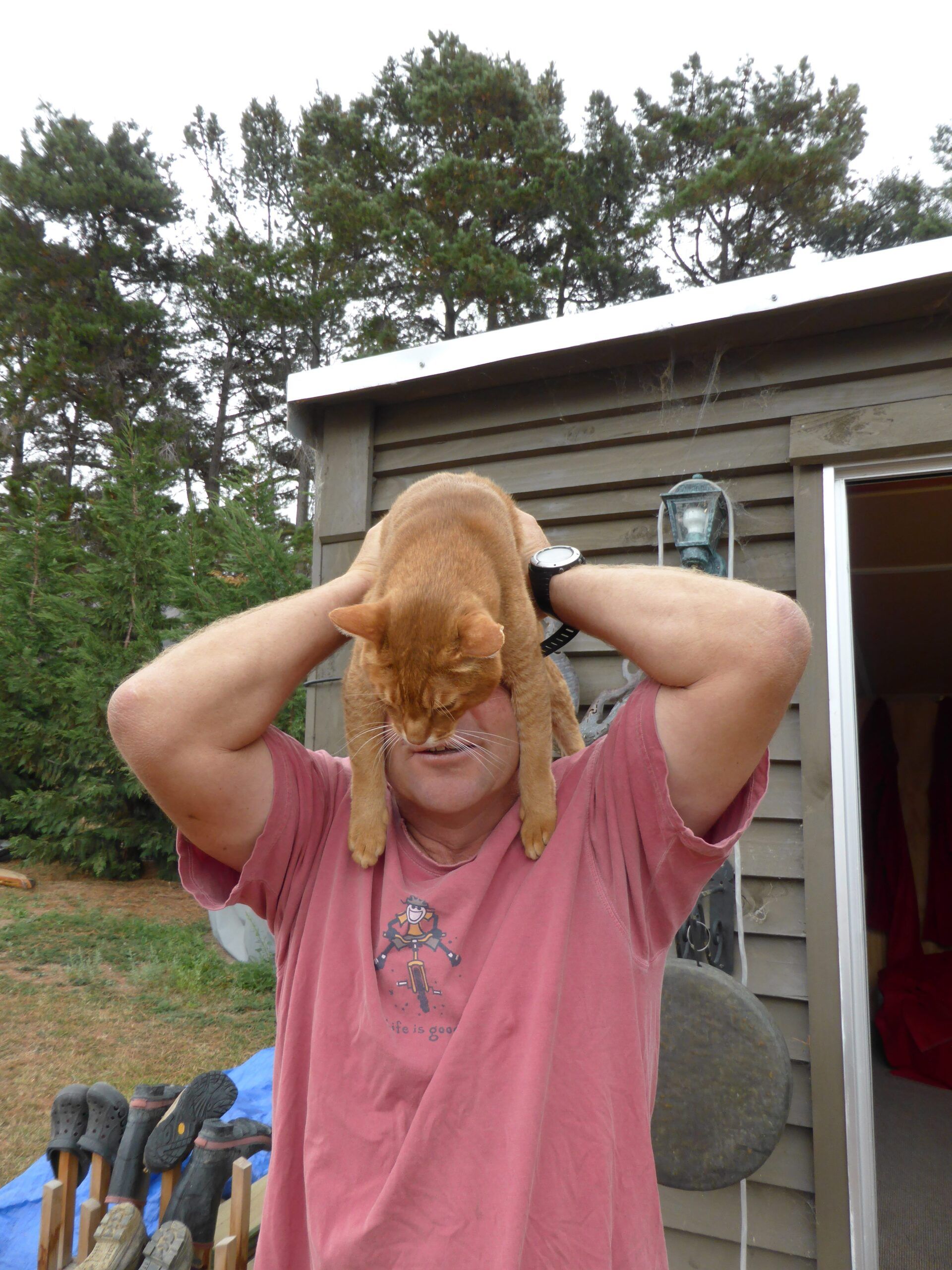
When you were feeling bad you could rub your face in Loki’s stomach and you would feel better. He had a beautiful spotted stomach, the result of being a cross between an abyssinian and an ocicat – ocicats have striking spotted coats.
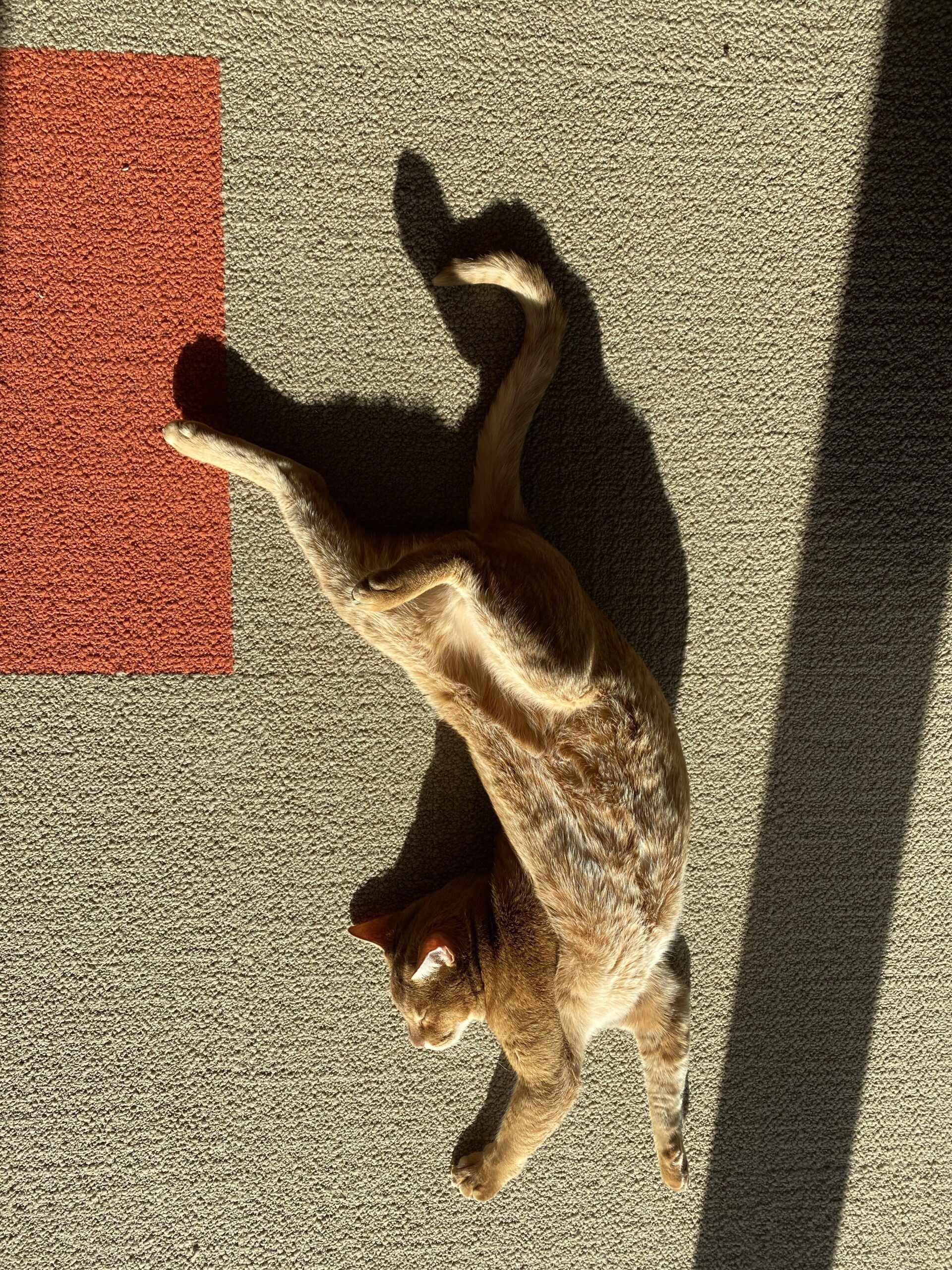
Loki was loved by many visitors, even those who preferred dogs to cats. He even got his own cartoon book made for him by one of our house sitters. Loki certainly found it easier to convince newcomers that his bowl was never full enough and that his owners never fed him; cats are masters at manipulation.
In the end, comes the end. Loki lived his life well, close to the very end, and that’s something enviable for humans who don’t generally get expedited exits. On the morning of Loki’s death, when I was about to give my workshop, I got a visit in the seminar room by Governor Grey, the Burmese cat owner of that particular building. Governor Grey came straight up to me and happily purred in my arms while I was introduced. I like to think that Governor Grey was an emissary of the cat clan, who were gathering Loki in. There are times when you have to let your mind trick itself in order to hold the tears back, and carry on carrying on.
However, in the quiet times, the tears come and the happy memories remain.
Get new content delivered
directly to your inbox.
Latest Posts