Scales of tragedy
It would have been a tragedy if I fell off, but I didn't
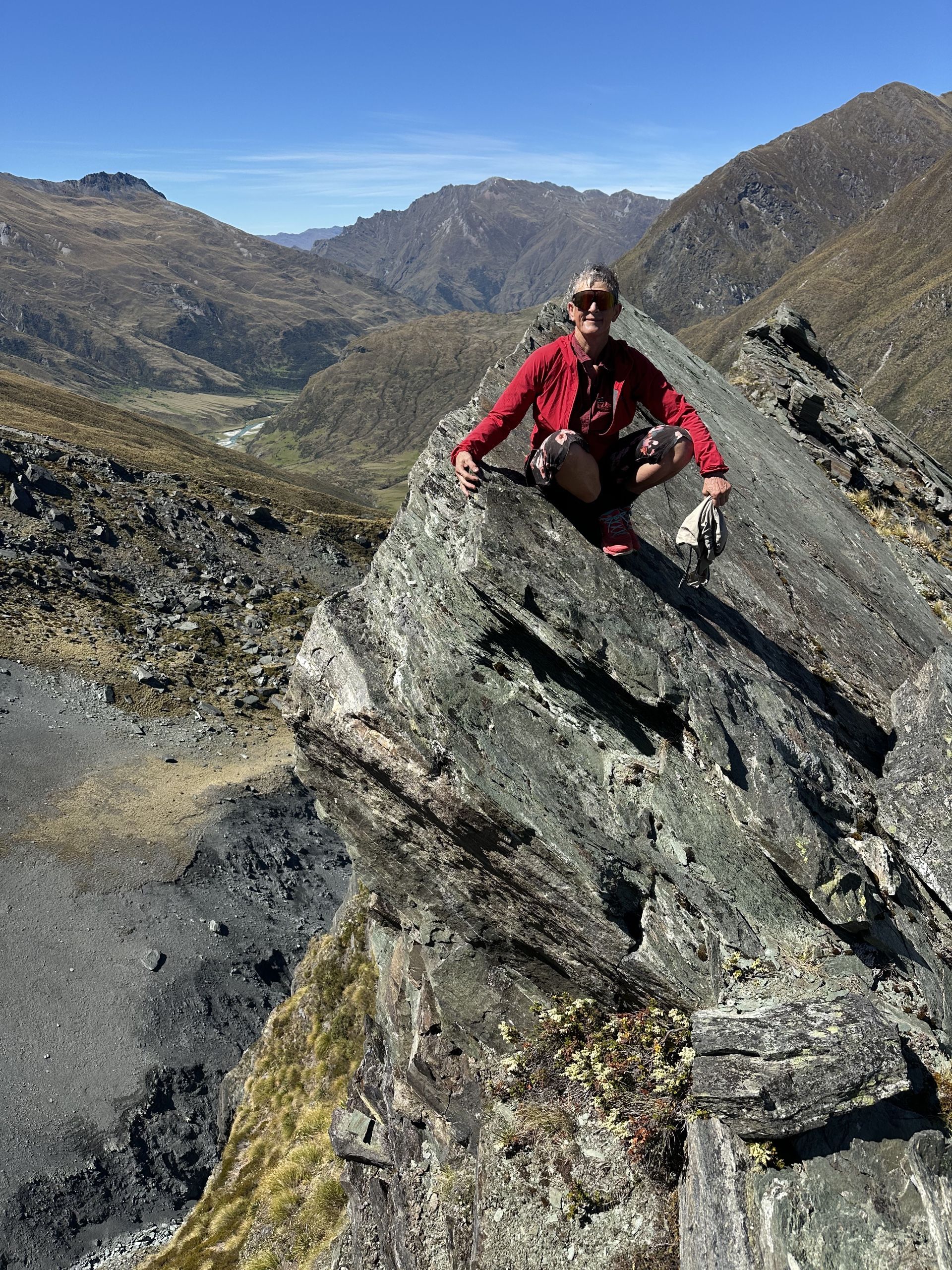
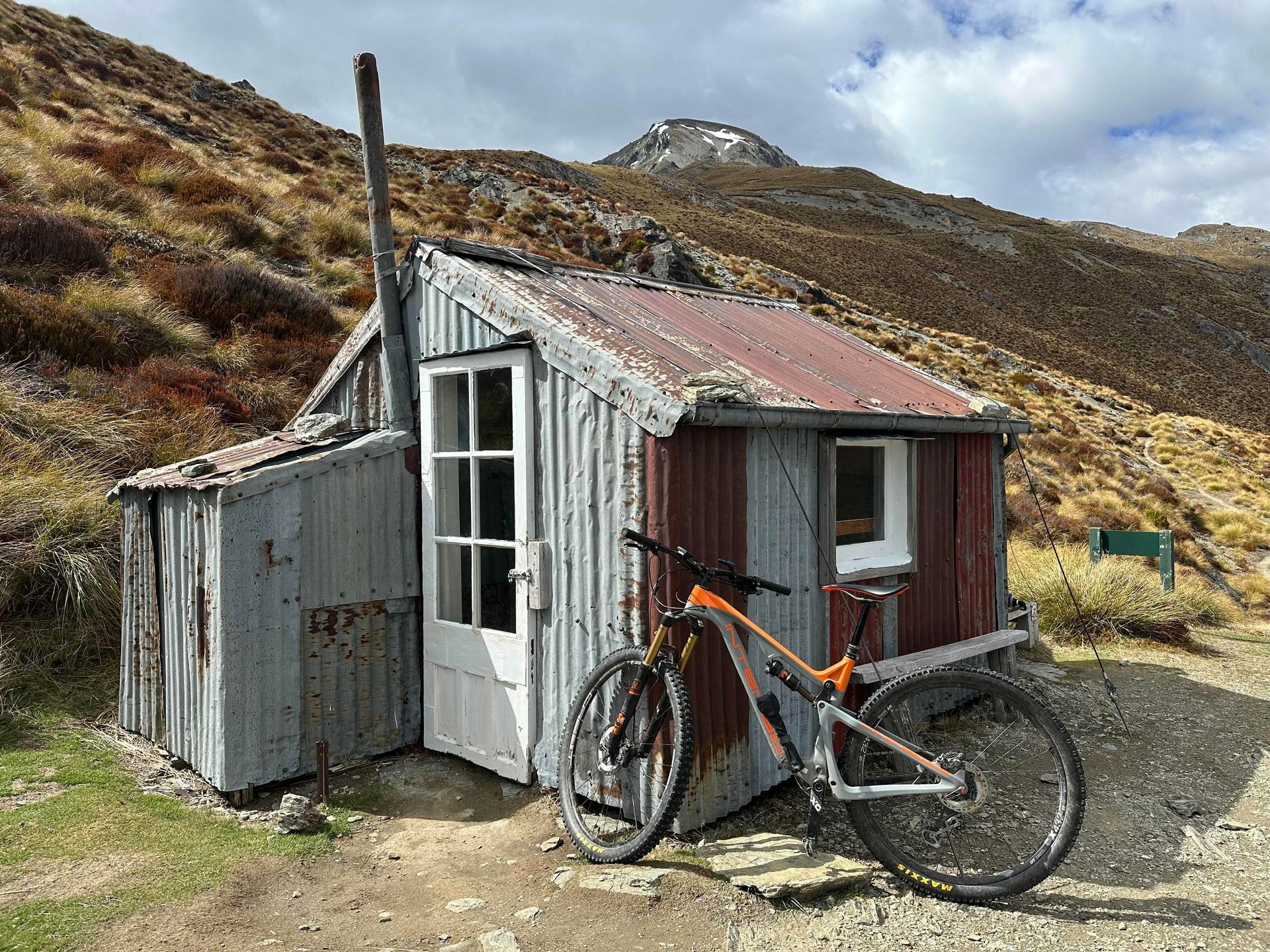
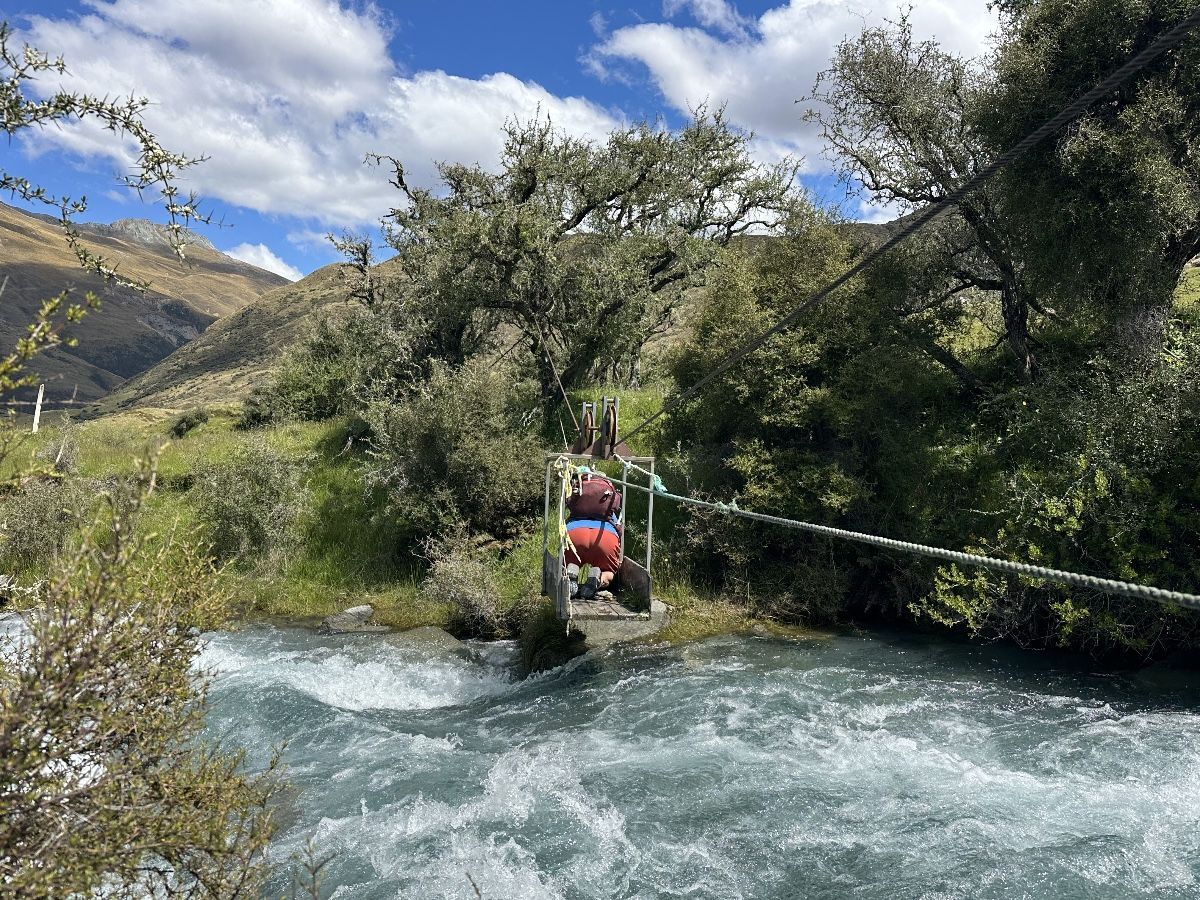
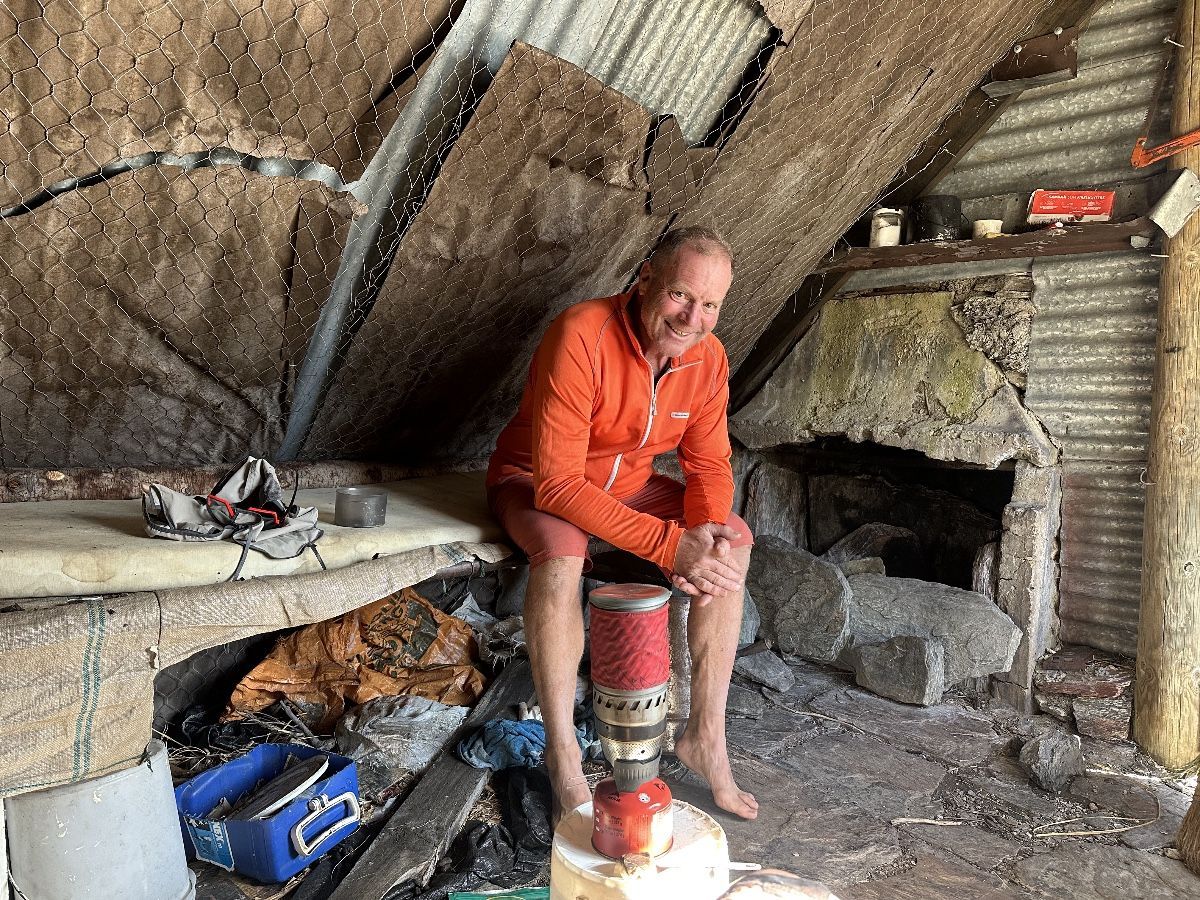
We had a lovely trip to Lake Lochnagar, towards the head of the Shotover River. Getting to Lochnagar involves driving the challenging Skippers Road for two hours with one way blind corners and huge drop-offs on a lumpy, rocky, gravelly track, then cycling up the Shotover River for 4 hours from Branches Station, then walking uphill to the lake for 2 hours. It also involved an entertaining little pulley system to haul yourself across Lake Stream which was too deep and swift to cross.
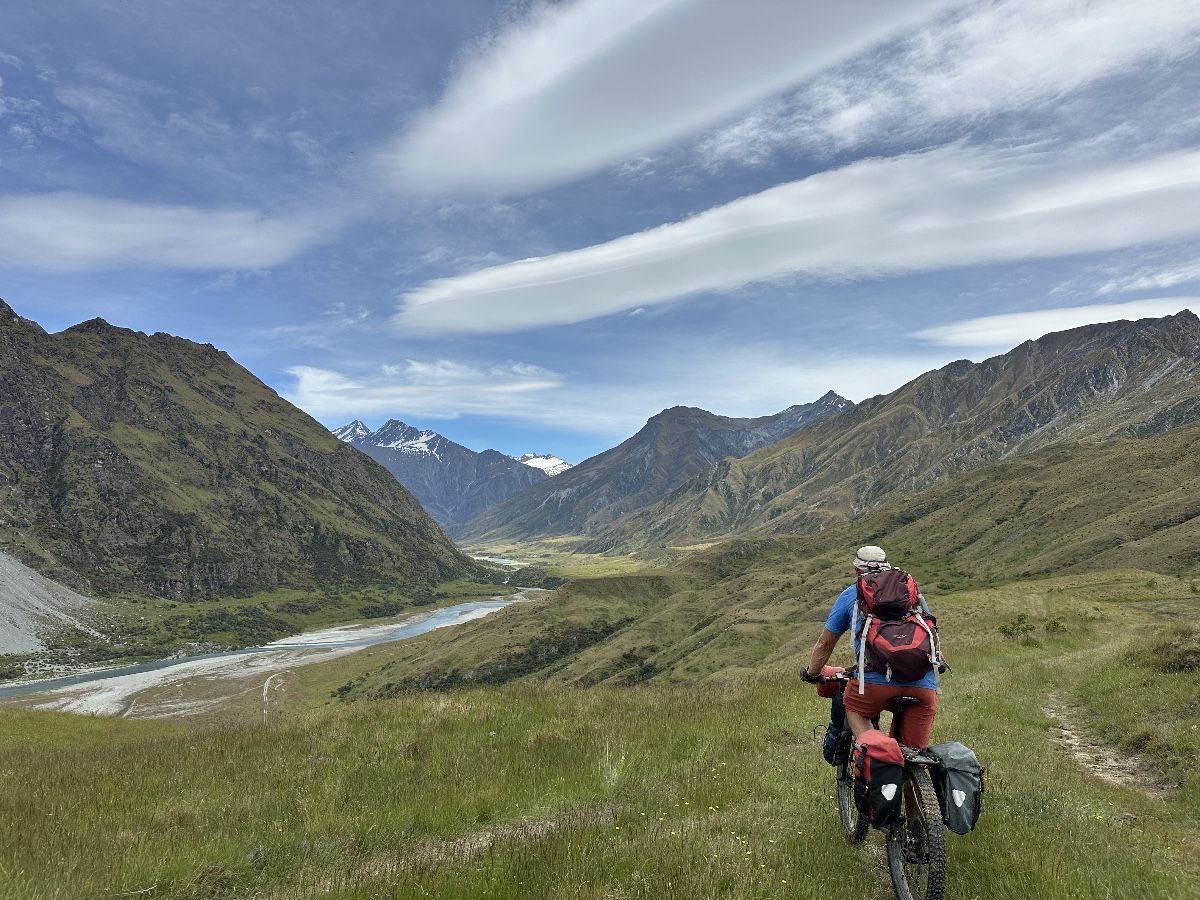
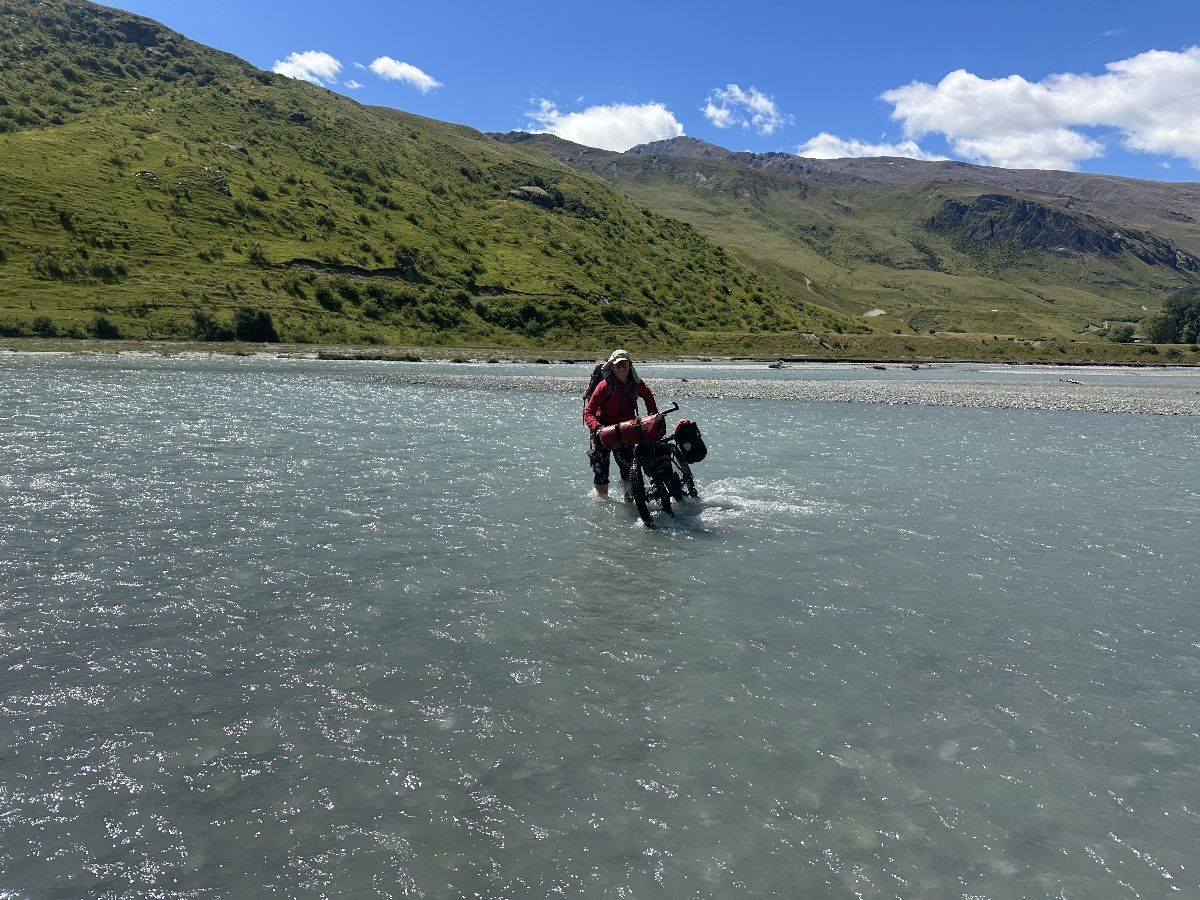
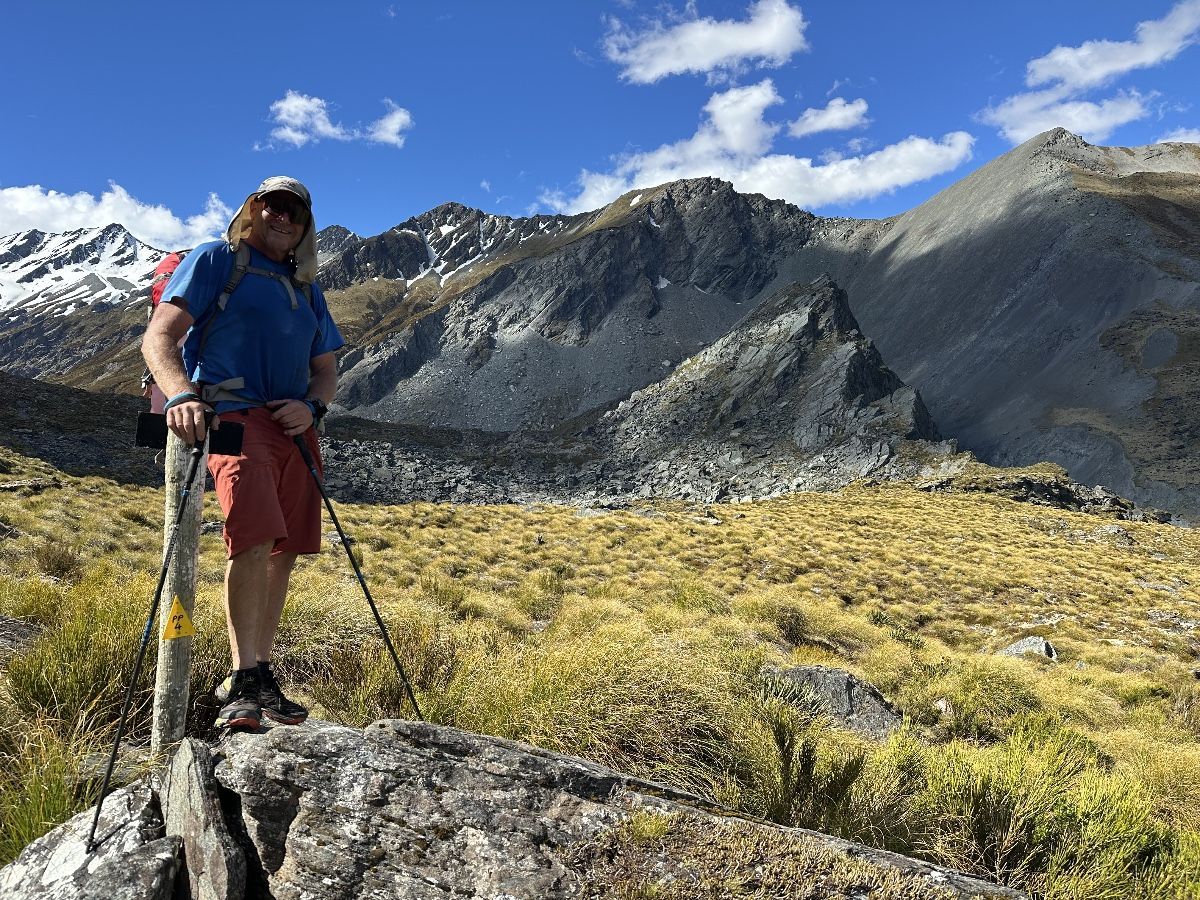
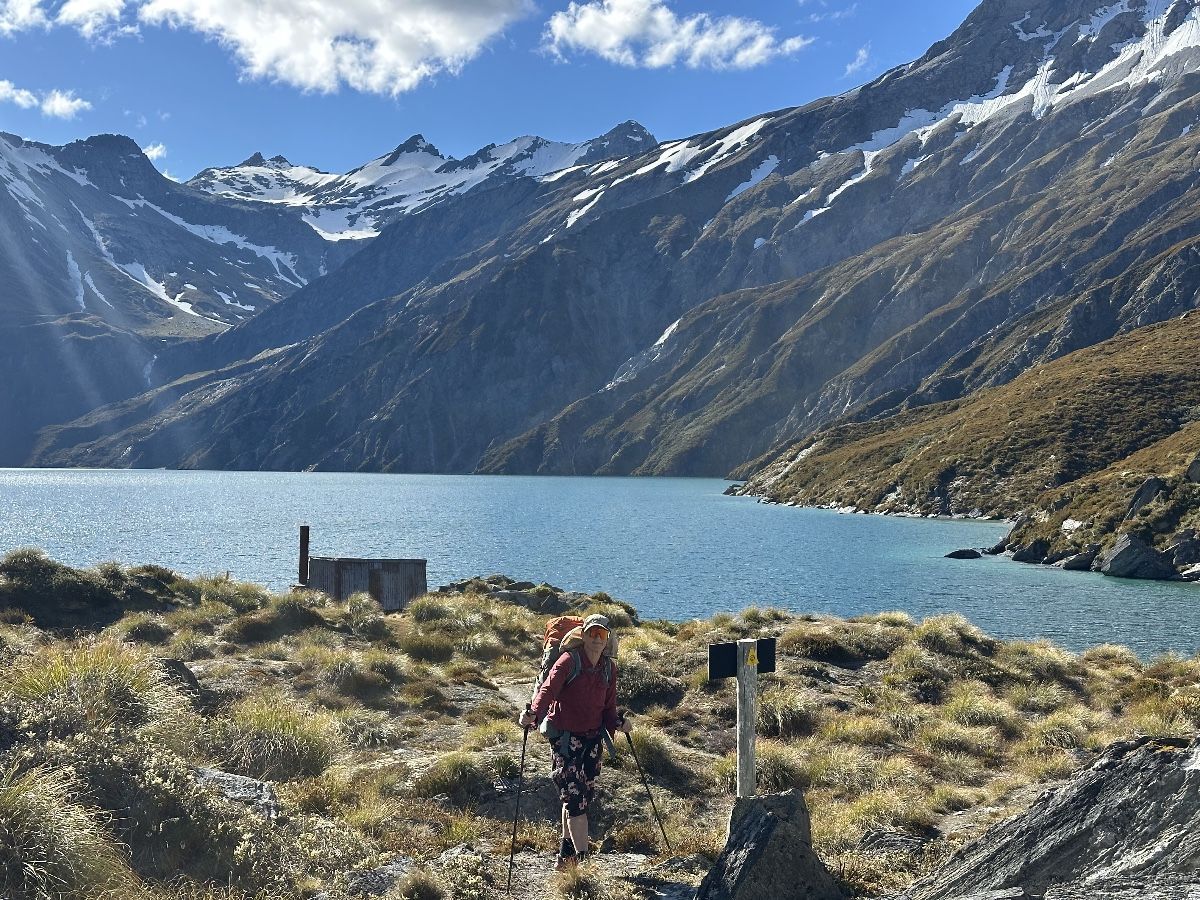
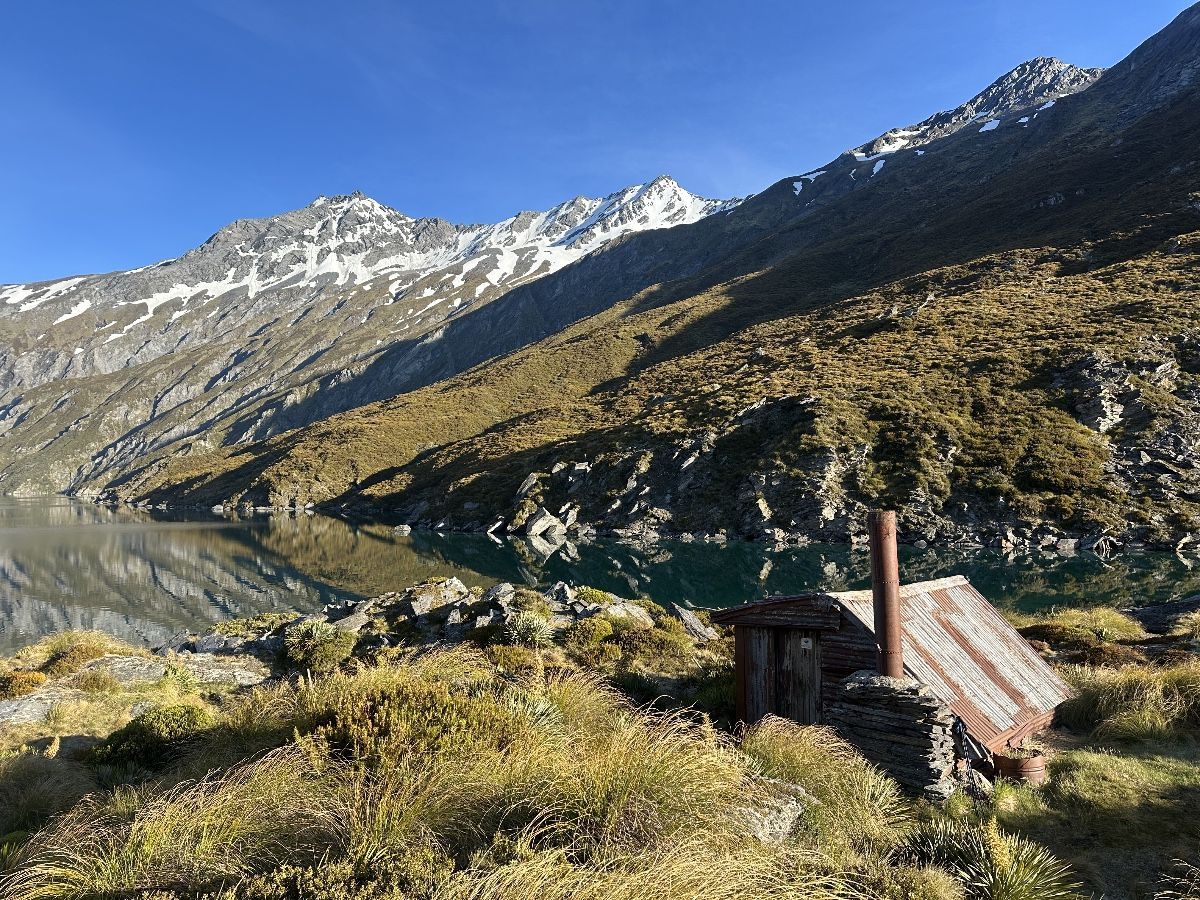
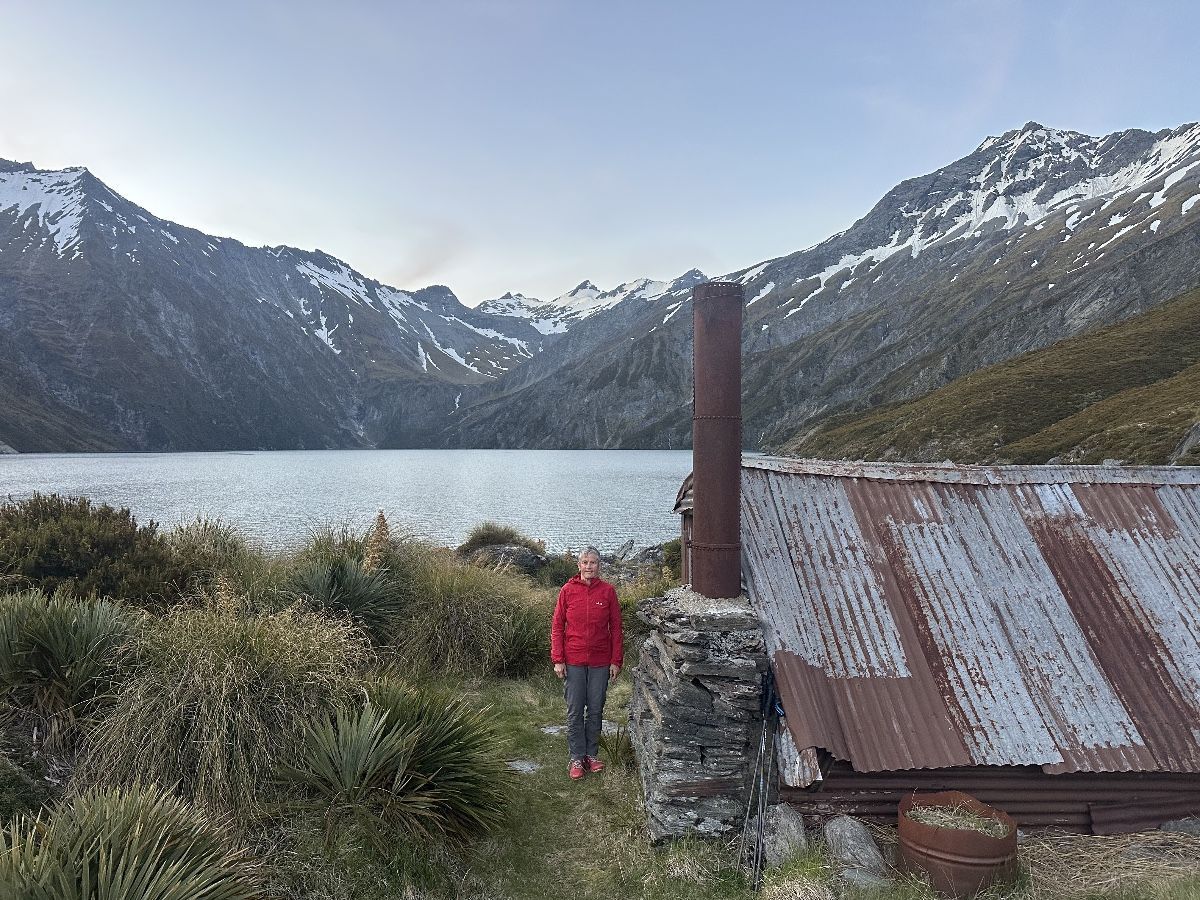
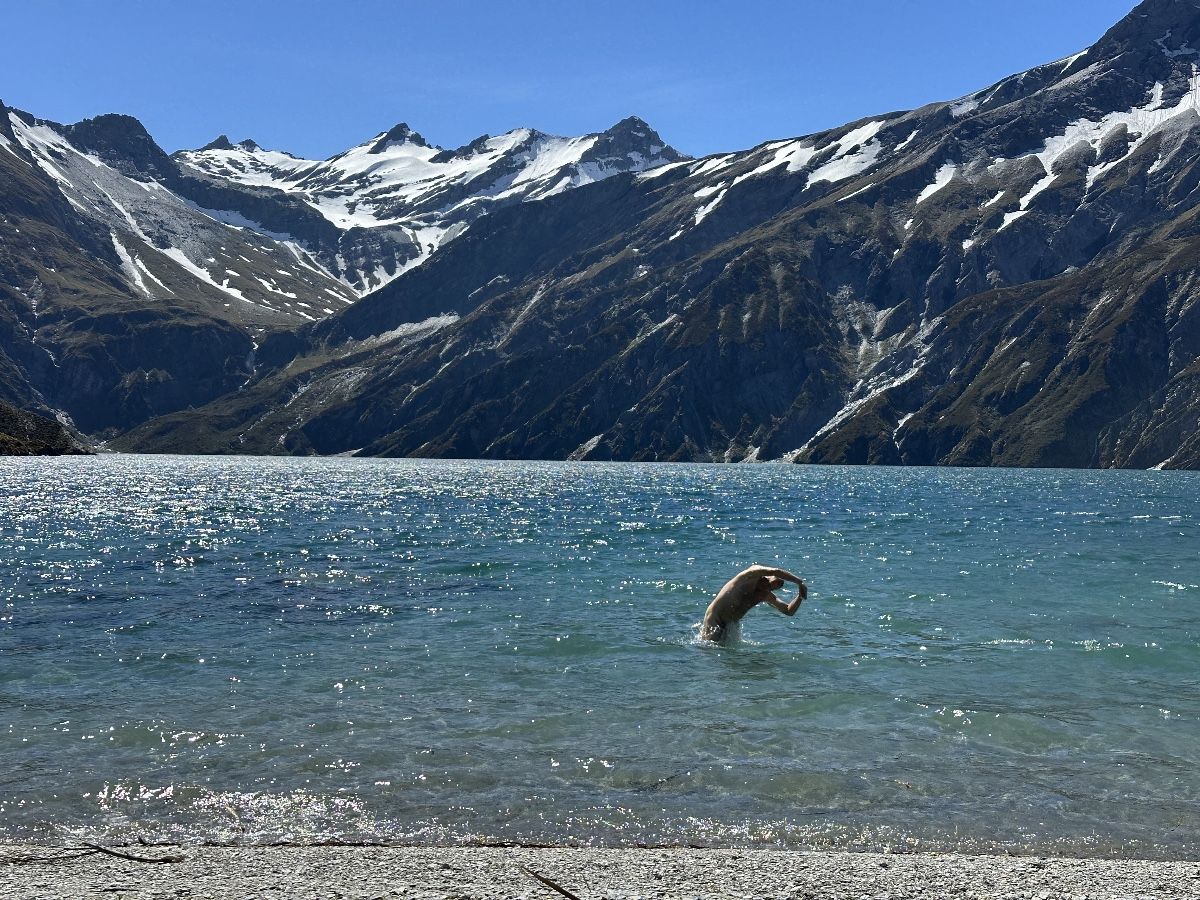
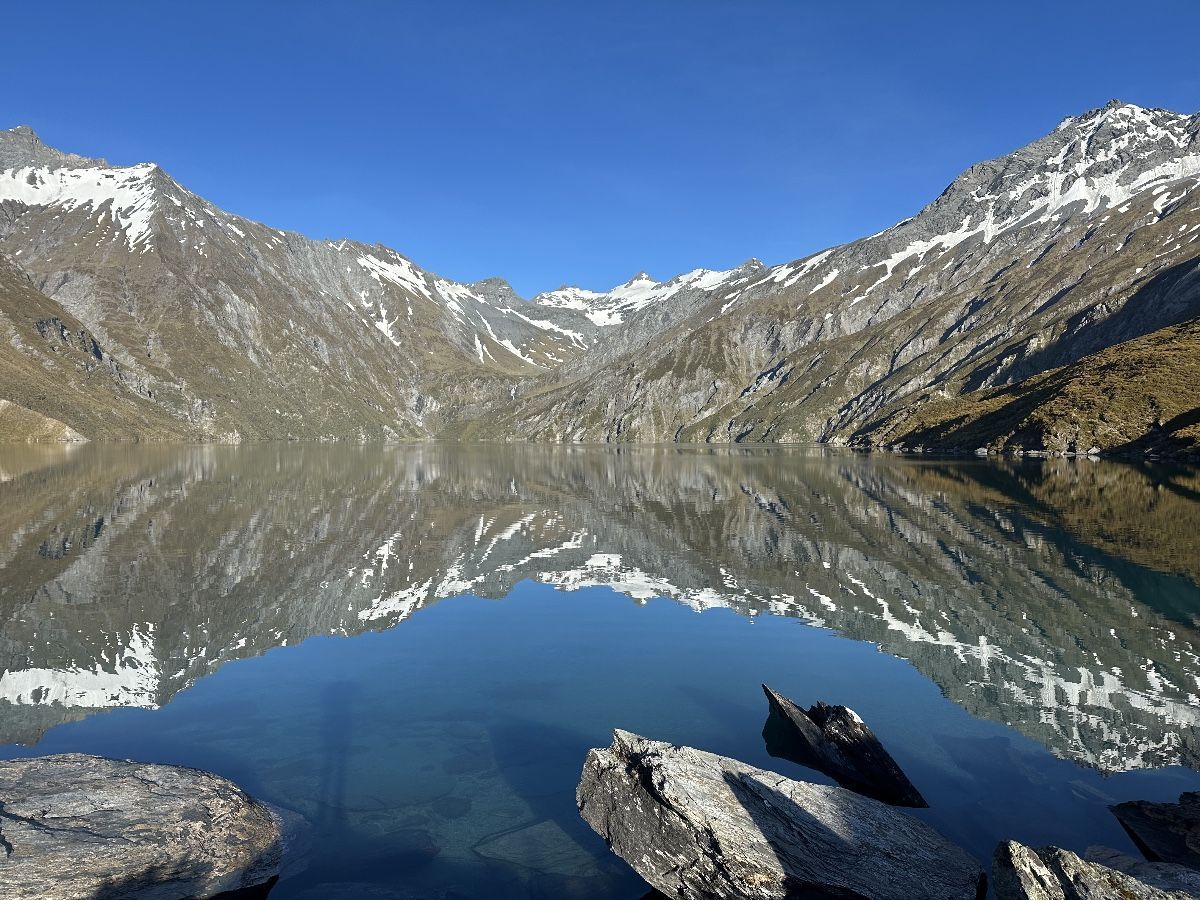
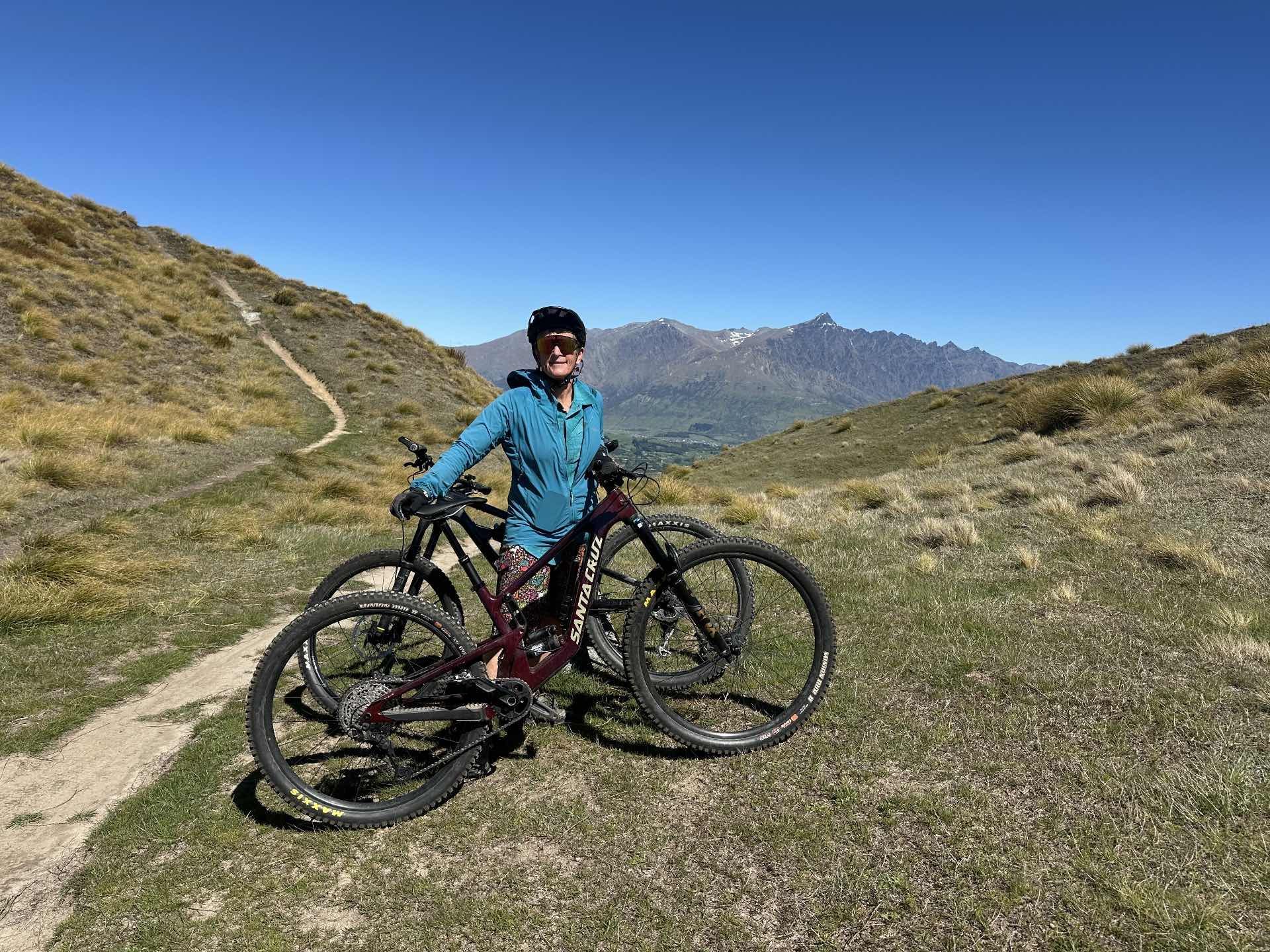
Lake Lochnagar was created by a natural rockslide dam around 6300-8900 years ago. The top of the mountain NE of the valley slid down – see the second picture down on the right. On the right hand side of the image is the slide face and left of the slide face is part of the block of rock that slid off. Jane is sitting on the same block in the top picture. About 690 million cubic metres of rock slid down forming a 340m high dam. It’s mind bending to imagine the rock mass crashing down with massive slabs splintering and tumbling across the valley. I’m glad I wasn’t there when it happened.
Which brings me to my topic of the day – when is a ‘natural’ event a tragedy. And when is an environmental event ‘natural’? This topic came up when media were describing the recent Tongariro National Park fires as ‘tragic’ and ‘heartbreaking’. Tongariro is a volcanic zone so fire is not an unusual occurrence. In fact, far greater disturbance than fires occur – the Mamaku eruption 240,000 years ago ejected 340 cubic kilometres of rock, with pyroclastic flows (extremely hot rock and gas mix) sweeping across the landscape, covering 3,100 square kilometres up to 145 metres deep and forming the Rotorua Caldera (now Lake Rotorua).
25,000 years ago, the Oruanui eruption of the Taupō volcano spread over 1000 cubic kilometres of rock up to 200m deep over the central North Island. Most of New Zealand was affected by ashfall; 18cm fell in the Chatham Islands 850km distant. Taupo volcanic ash was found in deep sea cores off the coast of Chile! The Waikato River shifted from the Hauraki Plains to its current course and Lake Taupo was formed. The temperature on the planet changed, affecting plants and animals worldwide for centuries.
Around 1800 years ago, the Hatepe eruption of the Taupō volcano enlarged the lake and spread around 42.2 cubic kilometres of ash and pyroclastic material in the central north island. All vegetation in the area was destroyed.
We don’t talk about these volcanic eruptions, or the creation of Lochnagar as ‘tragic’ or ‘heartbreaking’. We love Lake Rotorua and Lake Taupo – they are prime tourist destinations. However, for the vegetation and animal life present at those times, the eruptions were completely devastating.
Does the likely human cause of the second recent Tongariro fire contribute to our seeing the event as a tragedy? Often ‘natural’ disasters are reported in a less tragic way than human-induced disasters, at least where humans aren’t directly involved in the disaster. This is another case of humans mistakenly thinking they are ‘outside of’ nature…but that’s a whole other story (as well as being a major cause of human-induced environmental damage). Would a Tongariro fire resulting from a lightning strike be seen as equally tragic to one lit by sparks from a missing trailer wheel?
What’s certain is humans see events as ‘tragic’ because of the effect on humans today. Ancient disasters are fine but current disasters, which could create equally beautiful landscape features, are not fine. This has led to a macabre game Chris and I now play (which might be evidence of how people cycling and walking for hours come up with strange forms of entertainment).
J: “How sad was it the top of the mountain fell off and created Lake Lochnagar?"
C: “Not sad because we have a beautiful lake to go swimming in."
J: “Would it have been sad if there was a population of geckos living only in the Lochnagar valley and they were all squashed in the landslide?"
C: “I guess sad for the geckos?"
J: “What about if a rare population of Celmisia daisies was destroyed?"
C: “Which ones are Celmisia?"
J: “Okay. Would it have been sadder if a party of exploring Ngai Tahu were squashed? And would it be sadder if two of them were squashed? Or twenty?"
C: “Now this is getting silly."
J: “And would it be sadder if a Ngai Tahu party were squashed or two colonial explorers? Would it be sad for Ngai Tahu if the colonists were squashed, or a good thing? And what about if a big group of foreign tourists were squashed therefore tourism visitor numbers to Queenstown Lakes plunged?"
You get my gist.
Get new content delivered
directly to your inbox.
Latest Posts