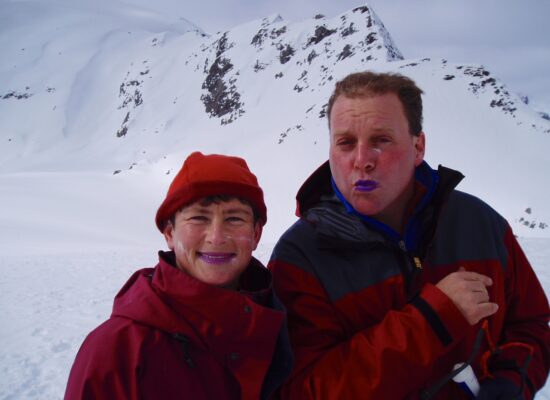
The scenery in arctic Norway is something else. However, there’s more to visiting a different country than viewing the scenery. As always, we are finding it interesting to discover aspects of Norwegian culture. So far, three have stood out for us.
Right to Roam
The ‘allemansretten’ allows everyone to roam free on uncultivated land in Norway. This right to roam is traditional and has also been enacted in law since 1957. The law says you can walk, ride, ski and camp on areas that are not currently garden or pasture, with the exception of areas within 150m of houses. If you want to stay more than two nights in the same place you need to ask the owner’s permission. You can also access all fields and meadows through the winter months when snow covers the ground.
Outdoor recreation is a fundamental part of Norwegian culture – even Oslo is designed to ensure people have easy access to outdoor spaces that feel relatively wild. It was only five minutes from the friend’s house we were staying in to trails in the woods from which you couldn’t see the city. Norwegians prioritise spending time in the outdoors.
New Zealand has changed in my lifetime from a country where you could go and camp pretty much anywhere as long as you weren’t disturbing livestock or people, to a place where your access to non-public land is curtailed. Farmers use health and safety legislation to justify reducing access to their enormous stations through which one might access back country as well as access to conservation land often being restricted on the basis of risk.
I find myself in a cleft stick – I don’t want restrictions for me but I do want them for the plethora of tourists who now visit New Zealand and swarm everywhere. Partially parallel to Norway, we have a Freedom Camping Act in New Zealand which includes tents, but the country is mostly focused on the right it enshrines to camp in a motor vehicle.
In the Queenstown Lakes area, we are overwhelmed by people ‘freedom camping’ in vans and motorhomes. The right to freedom camp means public spaces become parking lots. Quite different from people walking/cycling/skiing and tenting for a night. Is New Zealand more focused freedom of cars in the outdoors than people?! If the current government’s enthusiasm about roads is anything to go by, one would have to say the answer is “Yes.”
Going back to Norway, I note camping restrictions have begun to be applied in popular tourist areas – around Tromso and the Lofoten Islands. Here comes tourism…I think about the killing of golden geese…
Honesty
Just along the road from where we are staying on Langfjord, and in the town of Hasvik on the island of Søroya, we have been using unpersonned supermarkets. During the night you swipe your card to access the space, during the day it isn’t even locked. When we entered there was no person in sight; you scan your goods and pay for them beside the door. You scan your receipt to exit but there is no check the receipt covers all the goods you are walking out with.
I find it hard to imagine this occurring in contemporary New Zealand towns or cities. A dairy where no one checks your purchases? How does that fit with our concerns about ram raiding and debates regarding how many fog cannons the government should provide to protect shop owners. Norway feels more like Switzerland, where there’s no one to scan your tickets on public transport (tickets can be inspected but it rarely happens).
Of course there are many honest people in New Zealand and there are places where you remain relatively safe from theft (largely rural) – where honesty boxes can be used to sell produce by the side of the road. However, in our populated areas, is honesty flying off with the geese?
Koselig
‘Koselig’ is the Norwegian equivalent of the Danish ‘hygge’ concept which has been popularised in recent years. There is both a noun ‘kos’ and a verb ‘kose’ – to do kos. The terms means a combination of cosy, intimate, warm and together – it’s a description of a type of togetherness that doesn’t easily translate into English. Kos is a type of togetherness Norwegians consider essential to living well.
One part of the concept is simplicity – simple food, simple housing. Another part is spending time in the outdoors – think a tiny house meeting basic requirements but set in the wilderness. A further part is doing everyday things with friends and family, eating, drinking, chatting, playing.
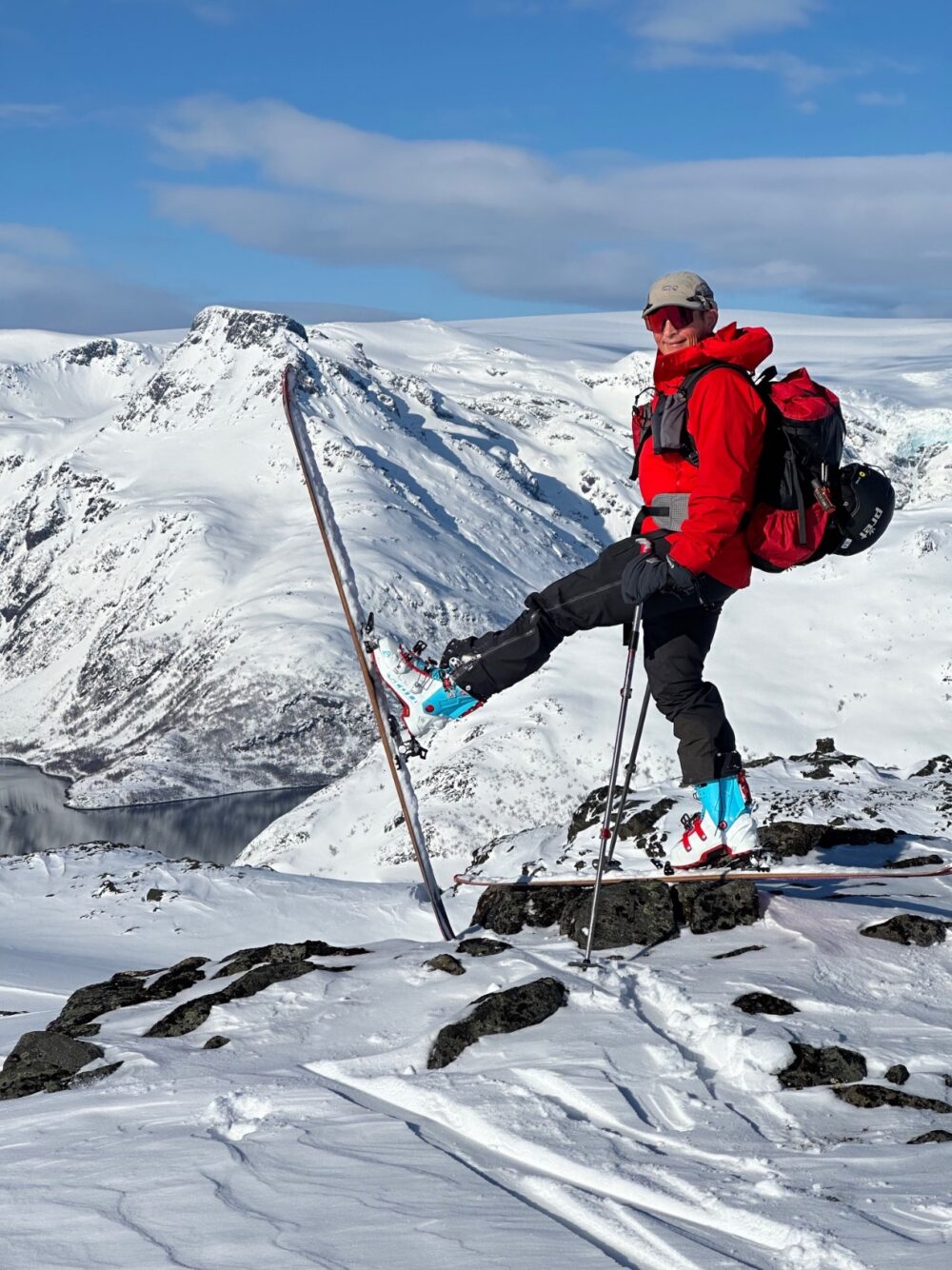
Perhaps this is why my smile is as wide as an elephant’s bottom in pictures of us ski touring in the Finnmark Alps. koselig and my idea of the best things in life run parallel. No geese in sight.
Discover more from Jane Shearer
Subscribe to get the latest posts sent to your email.